


1
/
1
Pouvoir oublier
Version longue
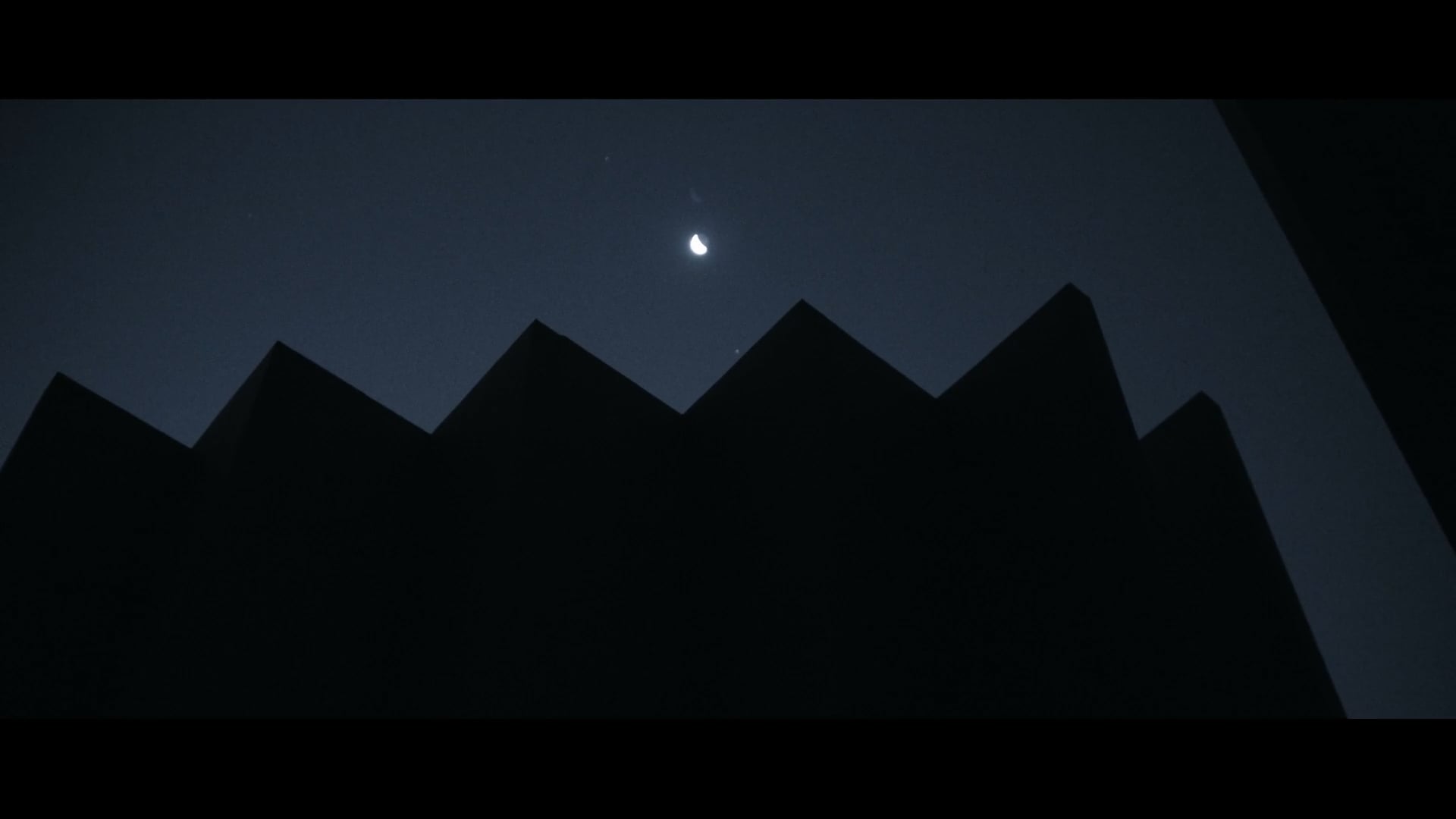
Spring 1972, Sept-Îles. The Common Front of Quebec’s unions takes an insurrectional turn and sparks hope for workers’ power. Then a tragic attack ends the dream. The Power to Forget shows how this uprising, far from heralding a break, marked instead the culmination of a unionism bound to the state, where the hope for a better world sank into the quicksand of realism.
From the start, this film about Quebec’s first inter-union Common Front carried a contradiction, and its title embodies it. We love calls to remember. But remembering May 1972 also means facing what we chose to forget: the broken promises at the end of the Quiet Revolution, bureaucracy, collective disillusion.
With Pierre-Luc Junet, I went back to Sept-Îles to gather the words of those who lived through those days. The film does not merely bear witness. It replays events to reawaken their charge, emotional as much as ideological, and make the past tangible.
After a short version aired on Télé-Québec, the feature opened in theatres in June 2025: at the Cinémathèque québécoise in Montreal, where the first two screenings sold out, then in Quebec City, at Cinéma Beaubien and, in August, at the Salle Jean-Marc-Dion in Sept-Îles. Today, The Power to Forget is freely available online.
Feature documentary · 2025 · Sept-Îles · French with subtitles
Directed by Pierre-Luc Junet and David Simard
Produced by Frédéric Bohbot, Bunbury Films
Editing: David Simard
Cinematography: Philippe Toupin
Original music: Lex Castle
With the participation of SODEC, the Rogers Documentary Fund, the Canada Media Fund and Télé-Québec


Mining the Sky
Feature in production
And the whole earth was of one language, and of one speech.
Genesis 11:1
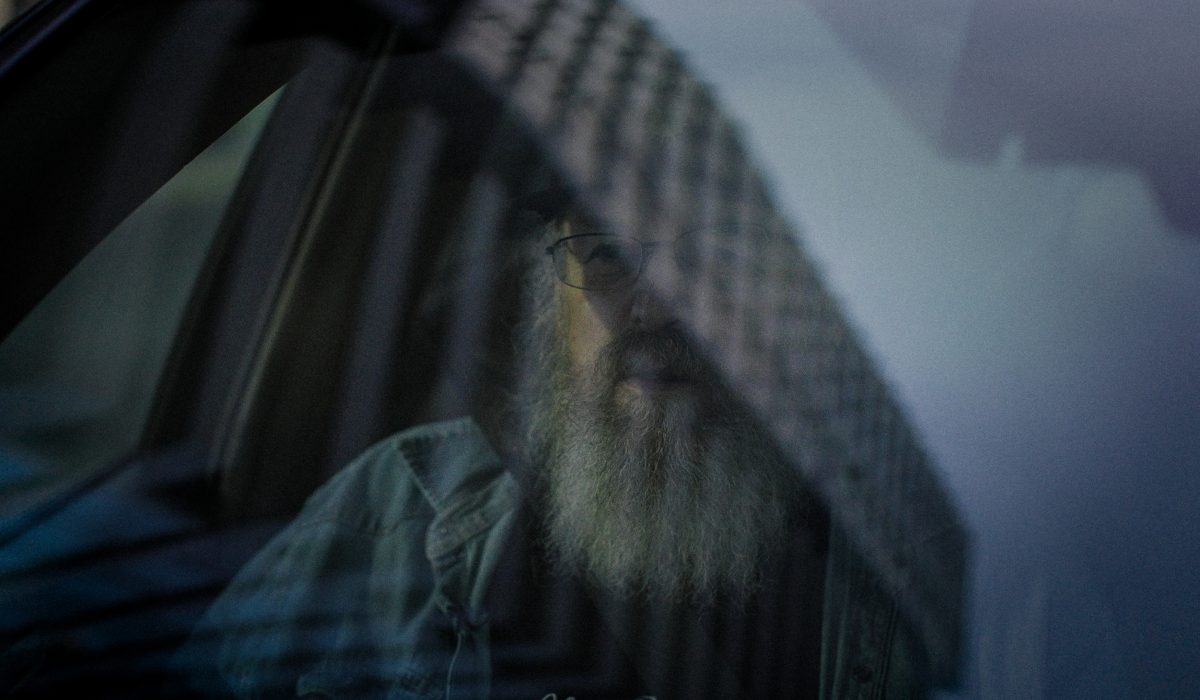
Toronto has become a global city. Its skyline changes every year, driven by real estate speculation and by capital that knows no borders. At the foot of the towers, those who can no longer afford to live there are pushed to the outskirts.
Gaétan Héroux has been an activist with the Ontario Coalition Against Poverty (OCAP) for thirty years. He was born in Abitibi, a mining region of Quebec. With his comrades from the 230 Fightback campaign, he defends a last stronghold: a Victorian house on Sherbourne Street that long sheltered low-income tenants, and that a developer wants to turn into a condo tower. He calls this fight his “line in the sand.”
The title names a shift from one kind of exploitation to another. Yesterday, the earth was dug out deep in Abitibi’s mines. Today, the sky is mined, in glass and steel, in towers that house a new elite. The city’s verticality is not just architecture: it is the very shape of its social divide.
I film Toronto as a character, at once sublime and crushing. To me, the skyline is a fascination. To Gaétan, it is a constant reminder of the coldness and immensity of a city that shuts him out. The film lives in that gap. OCAP’s archives, shot over decades of fights against austerity, force him to take stock: have thirty years of resistance made a dent in inequality?
This is neither a news report nor one more activist film. It is a lyrical political documentary, shot in scope, that asks what remains of the right to the city when every square metre becomes an investment.
The film is in post-production in Montreal. The final scenes are being shot in December 2026. Release planned for 2027.
Feature documentary · in production · Toronto, Montreal, Abitibi · English and French
Written and directed by David Simard
Editing: David Simard and Carl Freed
Cinematography: Sager Singh
With Gaétan Héroux and the activists of OCAP and 230 Fightback
Produced by Bunbury Films (Frédéric Bohbot)
Broadcasters, festivals, distributors: a private screening link is available on request at info@davidsimard.com.
My previous film: The Power to Forget.
Anicet, Beekeeper
Filmoption International
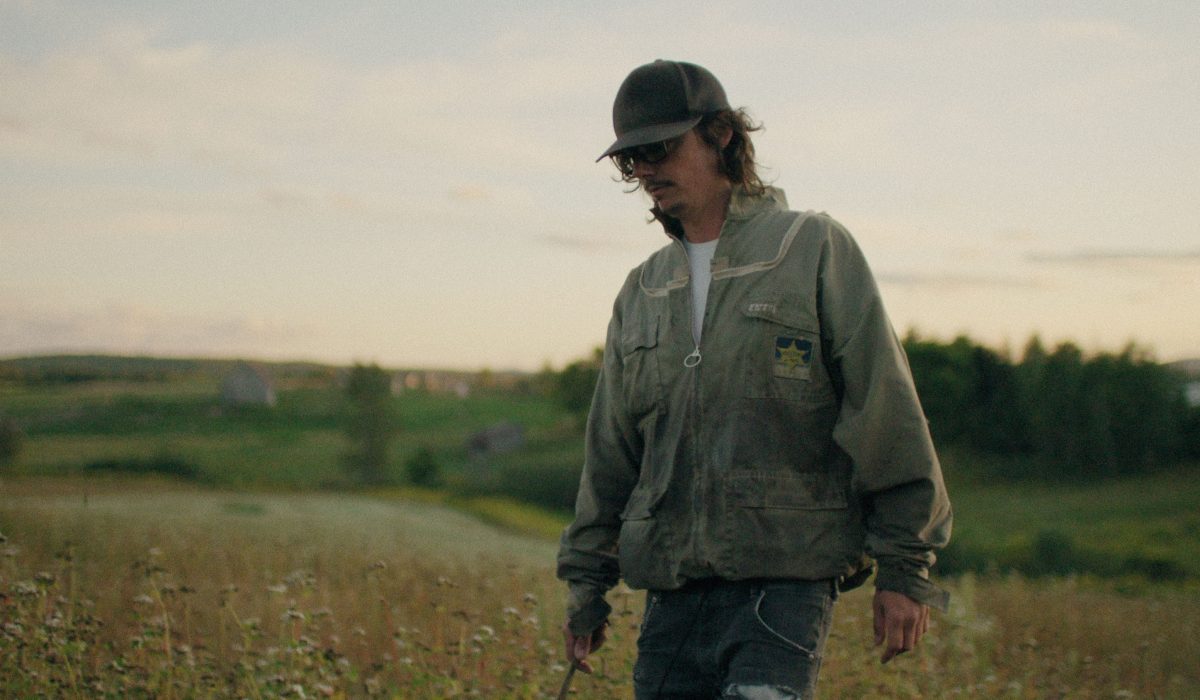
Anicet Desrochers keeps bees in Quebec’s Upper Laurentians. A trade anyone would envy, and a man with the stature of a mythical character.
It began with a call from Maude Chauvin on a scorching July day in 2018: let’s head out on an adventure, shoot the way we used to, only a thousand times better, with something sublime, a land, and an extraordinary character. Philippe Toupin said yes, and so did I. On August 29, before dawn, we were driving the rolling roads of the Upper Laurentians to film the fields where the bees forage while Anicet still slept. A thick fog stretched the dawn by two hours. It became the substance of the film.
The shoot took us as far as Réunion Island. Slow motion, raking light, the gestures of the trade: the film looks for the beauty and sensitivity of living work, without narration.
The film took its time. Broadcasters passed on it; it is now online, free to travel.
Documentary, 21 minutes · shot in 2018 · online since 2026 · Upper Laurentians, Réunion Island
with / avec Anicet Desrochers
and the team at the Miels d’Anicet honey house
directing / réalisation
Philippe Toupin & David Simard
production / production David Simard, Maude Chauvin and Madore Production
direction photo Philippe Toupin
slow-motion / séquences au ralenti
Maude Chauvin David Simard Philippe Toupin
food stylist / styliste culinaire Daniel Raiche
camera assistant / assistant caméra Sager Singh
production assistant / assistant de production Pierre-Luc Junet
editing / montage Chloé Hourigat
color grading / couleur Philippe Toupin
sound mix / mixe son Michael Binette
music / musique Max LL
Panier de crabes
Autoproduction
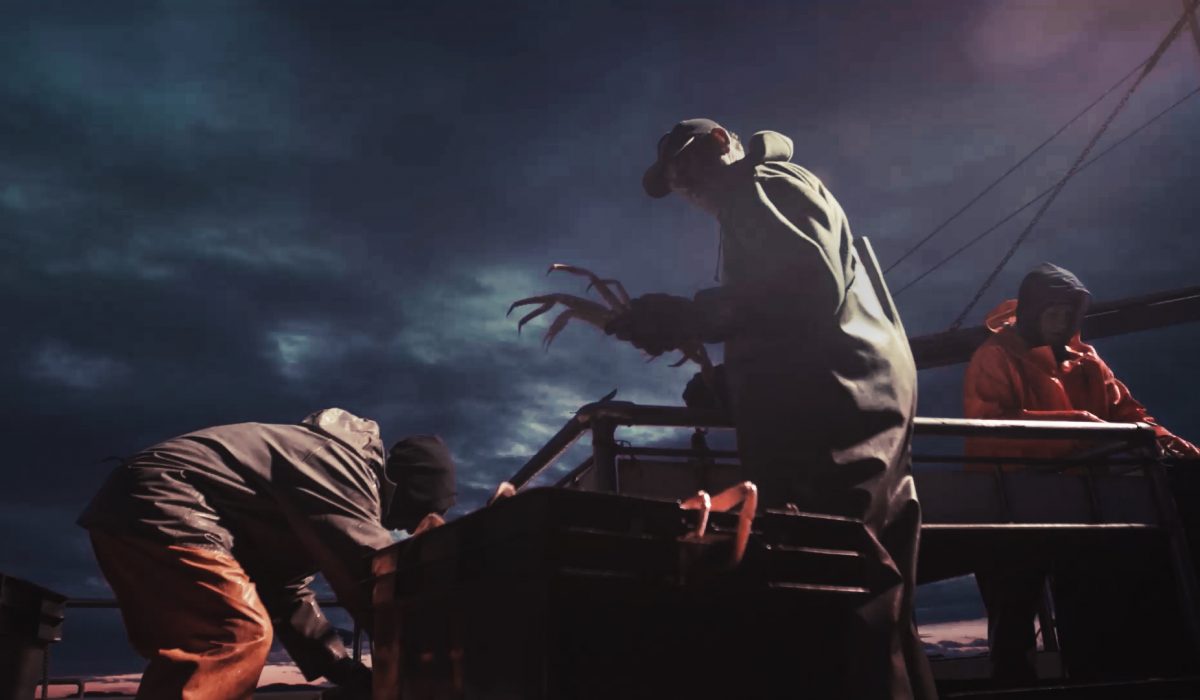
Panier de crabes est un court documentaire aux accents mélancoliques qui évoque l’union conflictuelle de l’ouvrier avec la nature, alors que les pêcheurs partent tanguer avant le coucher du
soleil autour de l’archipel des Sept-Îles pour extirper du fleuve ses délices bientôt démembrées sur la courroie de production.

Exploitation tentaculaire
Comités unitaires sur le travail étudiant
Retour sur la mobilisation de la Journée internationale des stagiaires pour préparer la grève mondiale des stagiaires.
Pour que notre
monde travaille
Rendez-vous
du cinéma québécois
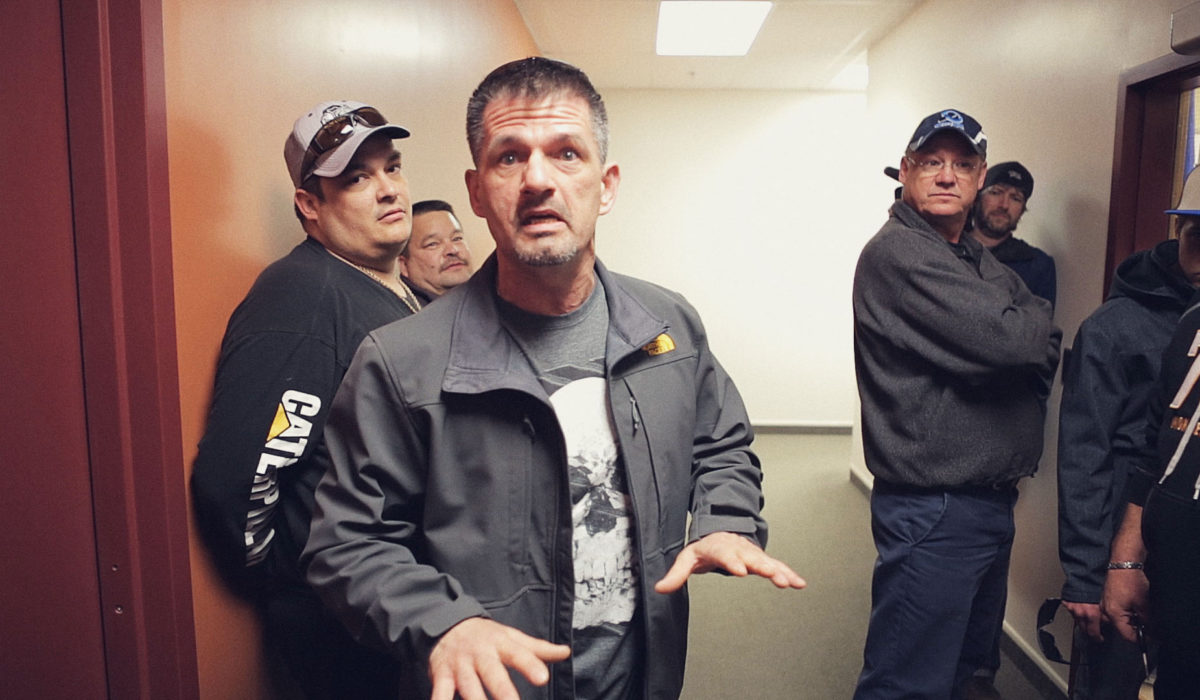
Sept-Îles, May 9. Construction workers protest outside the offices of the Commission de la construction du Québec against province-wide labour mobility and against Bill 33, imposed by the government.
Quebec’s largest construction site lies just outside town. Yet many of them are unemployed, some even on welfare. Fed up, they speak plainly to the camera about the uneasy ties between economics, politics and unionism.
Pierre-Luc Junet and I shot this short film in a single day, in the urgency of the protest. It already raises the question that would occupy us for years: what is left of workers’ power when the union, the state and the work site speak the same language? In Sept-Îles, that question has a history. It goes back to the 1972 Common Front, the subject of our feature The Power to Forget.
Short documentary · Sept-Îles · French with subtitles
Official selection, Rendez-vous du cinéma québécois
A film by David Simard and Pierre-Luc Junet
Editing: Clément Courteau
Sound mix: Michael Binette
Everybody Wants to be a Cajun
Cinema on the Bayou
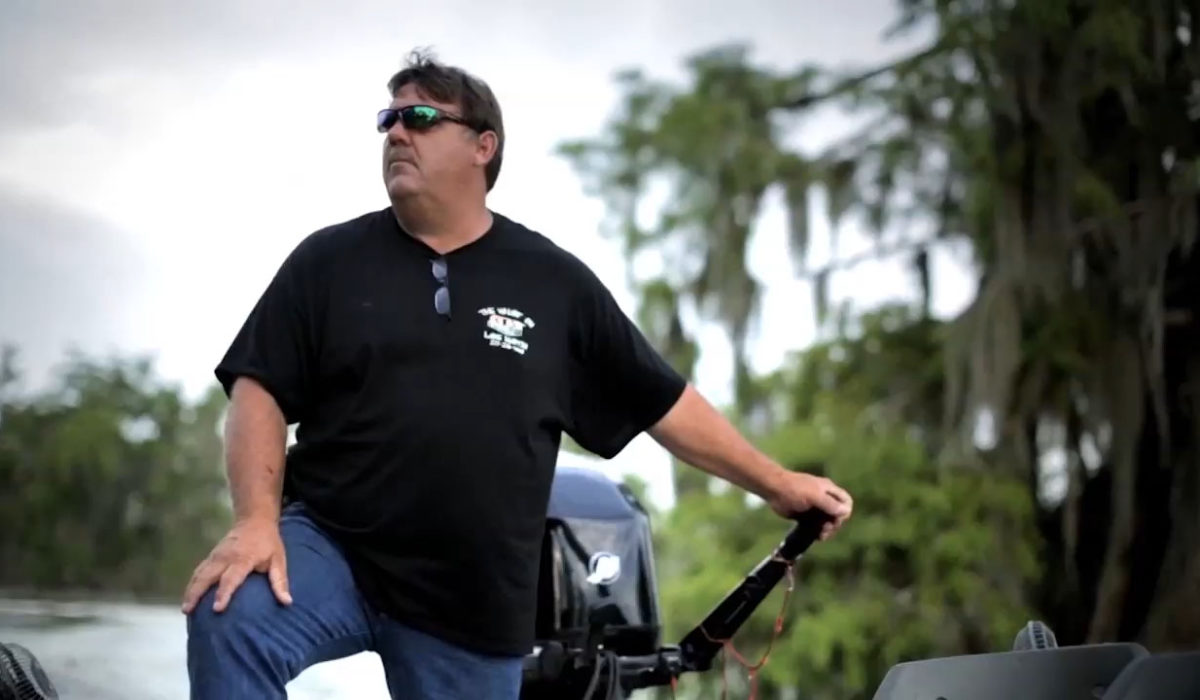
Louisiana, 2013. French is on the verge of disappearing. With Christian Fleury, I continue the inquiry we began the year before into this foretold death.
Two intellectuals devoted to the French fact in Louisiana engage in an imaginary dialogue to explain why. One hopes to see a new, united and modernized francophone community emerge. The other voices the majority view, that of children who are now entirely Americanized. In the gaps between their arguments, the social and political contradictions that have divided them, and still do, come to light.
Alongside them, members of the community, powerless witnesses to the eclipse of French, give the film its poetry. Not without nostalgia, they offer us the last traces of their ancestors’ speech.
The film does not mourn a language. It shows how an identity comes undone, by choice as much as by force, and what is lost when everyone wants to be Cajun without speaking like one anymore.
Documentary · 2013 · Louisiana · French and English
Audience Award, 10th Cinema on the Bayou Film Festival, Lafayette, Louisiana, 2015
A film by David Simard and Christian Fleury
Camera and sound: David Simard and Christian Fleury
Editing: Christopher Langston
Sound design: Michael Binette

Tenir parole
Applied Literature
Spring 2012. The student strike is in full swing. What started out simply as resistance to rising tuition fees is now rapidly turning into a budding rebellion against the Liberal government and is dangerously close to becoming a general revolt. The youth of Quebec are stepping up to the barricades and I am on the front lines. I am the one who leads and energizes the crowds, stoking the fervour of their anger – an anger that has dragged Quebec from its quiet slumber. I am barely twenty-two years old and I am already a nightmare for defenders of the established order. My name is GND. As the spreading strike threatens to become a monster beyond control, I find myself drawn into a burgeoning legend that could unleash the political demons of Quebec. In spite of myself, I have become the hero of an epic saga and I must carry it through to the end. I gave my word to the people of Quebec. I intend to keep my promise.

Ville-Marie
Making of
for Max Film
Behind-the-scenes documenting the making of Ville-Marie directed by Guy Édoin.
The Elders of the Island
Teaser
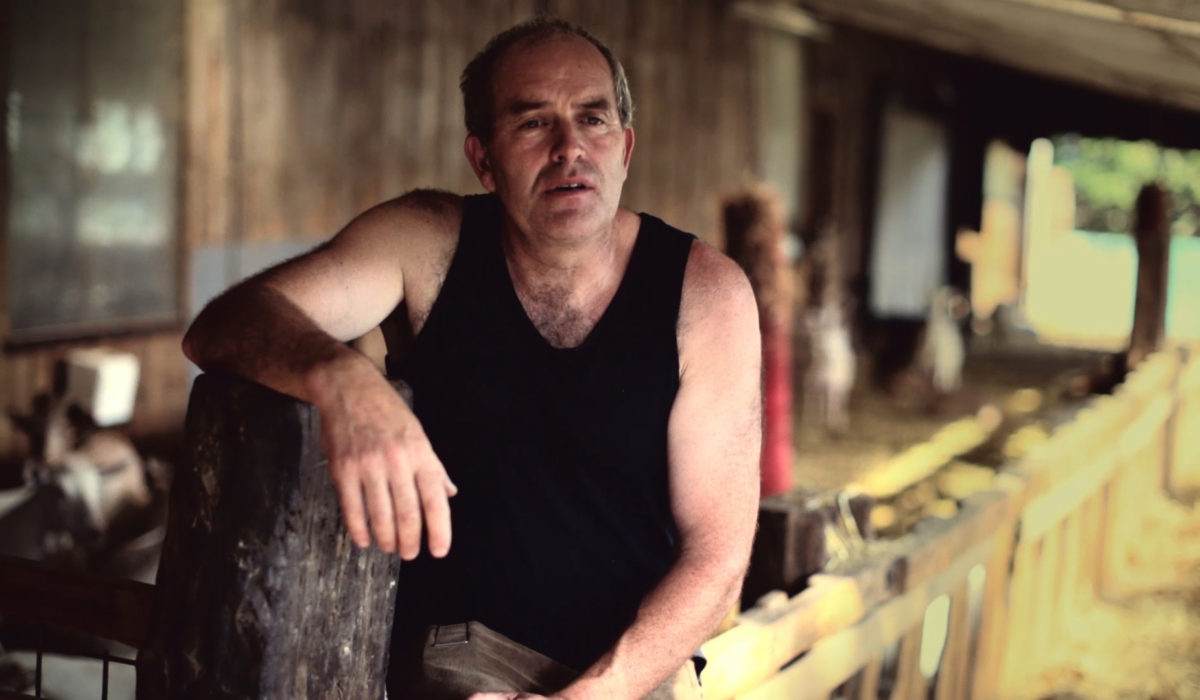
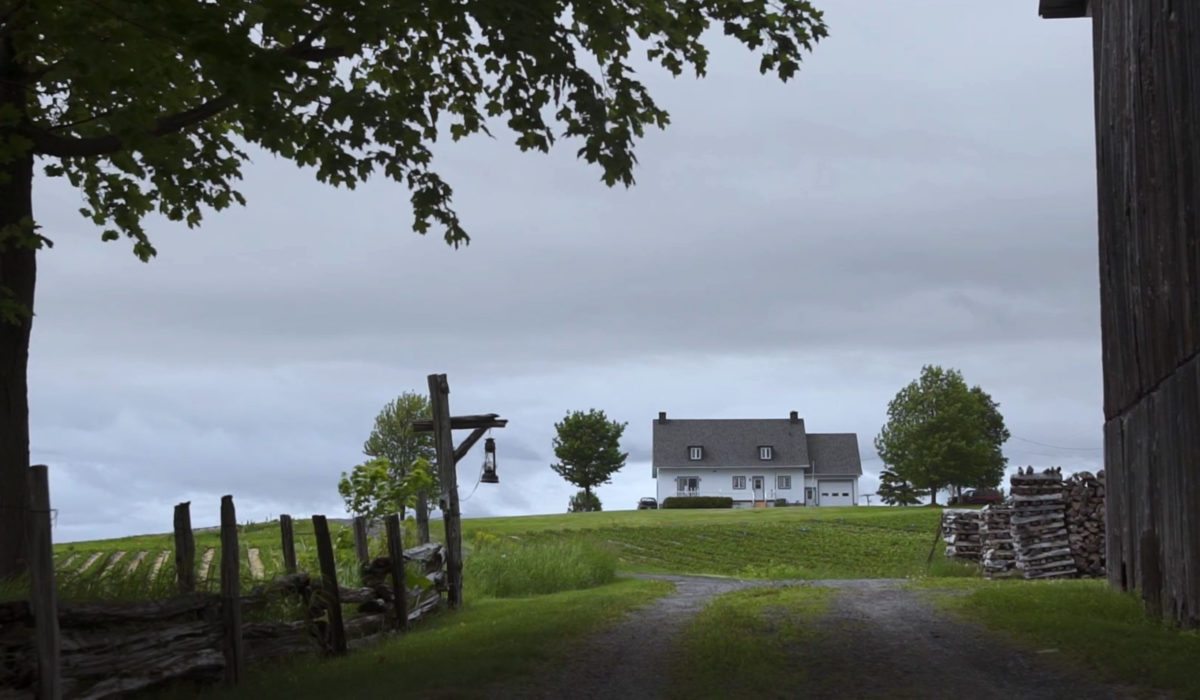
They are proud, the lords of these farmlands. Without a penny to their names, their families came to this island, cleared the land, and cultivated a garden. Several hundred years later, despite the Conquest, they are still here, as rooted as ever. On the island, there is the whiff of eternity. The bridge linking them to the rest of the world is still recent. Even so, time on the island is no longer cyclical. The city devours the surrounding countryside. Now that the land soaks up fuel rather than sweat, now that it’s worth millions, it doesn’t belong to them as before. Even the family plots of land handed down for generations have become huge businesses operating twenty-four hours a day, seven days a week.
Now
or never
Webdoc
A challenge awaits you: to conduct a genuine general strike campaign across Quebec, for the first time in forty years. Now or never.
(Press the CC button in the video for English subtitles.)